

Articles
Search By Topic
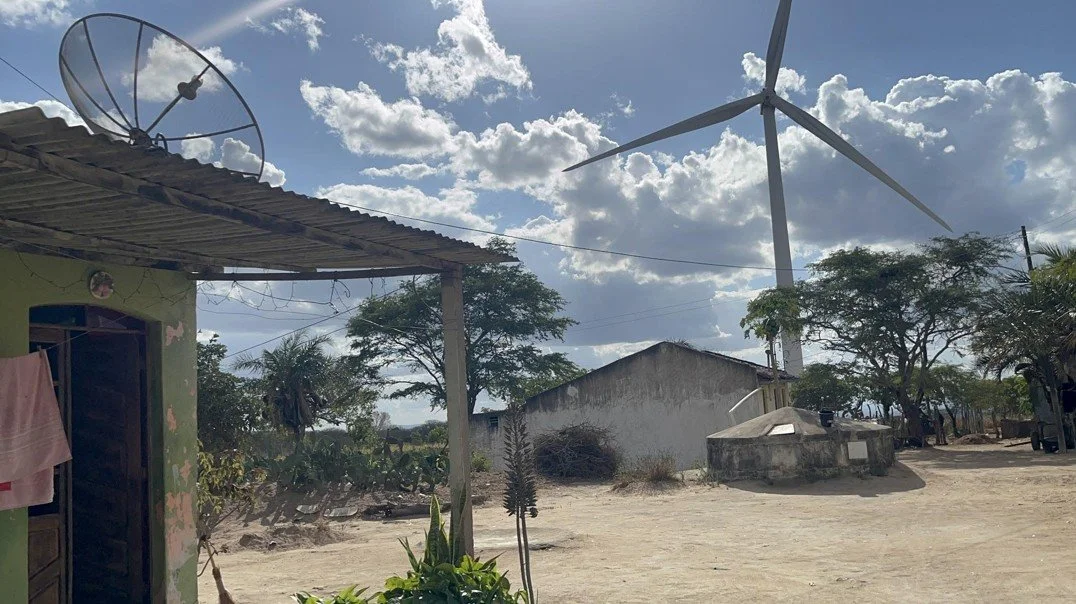
BODIES-TERRITORIES IN CONFLICT: The Invisible Impact of Wind Farms on Women in the Northeast
In recent years, the Northeast has become Brazil’s showcase for clean energy, a region blessed with geospatial advantages. Towers spinning on the horizon, billion-dollar contracts, foreign companies, and speeches in both international and domestic politics claiming that the country has finally found its “green path.” But there is one question that almost never appears in the headlines: clean for whom?
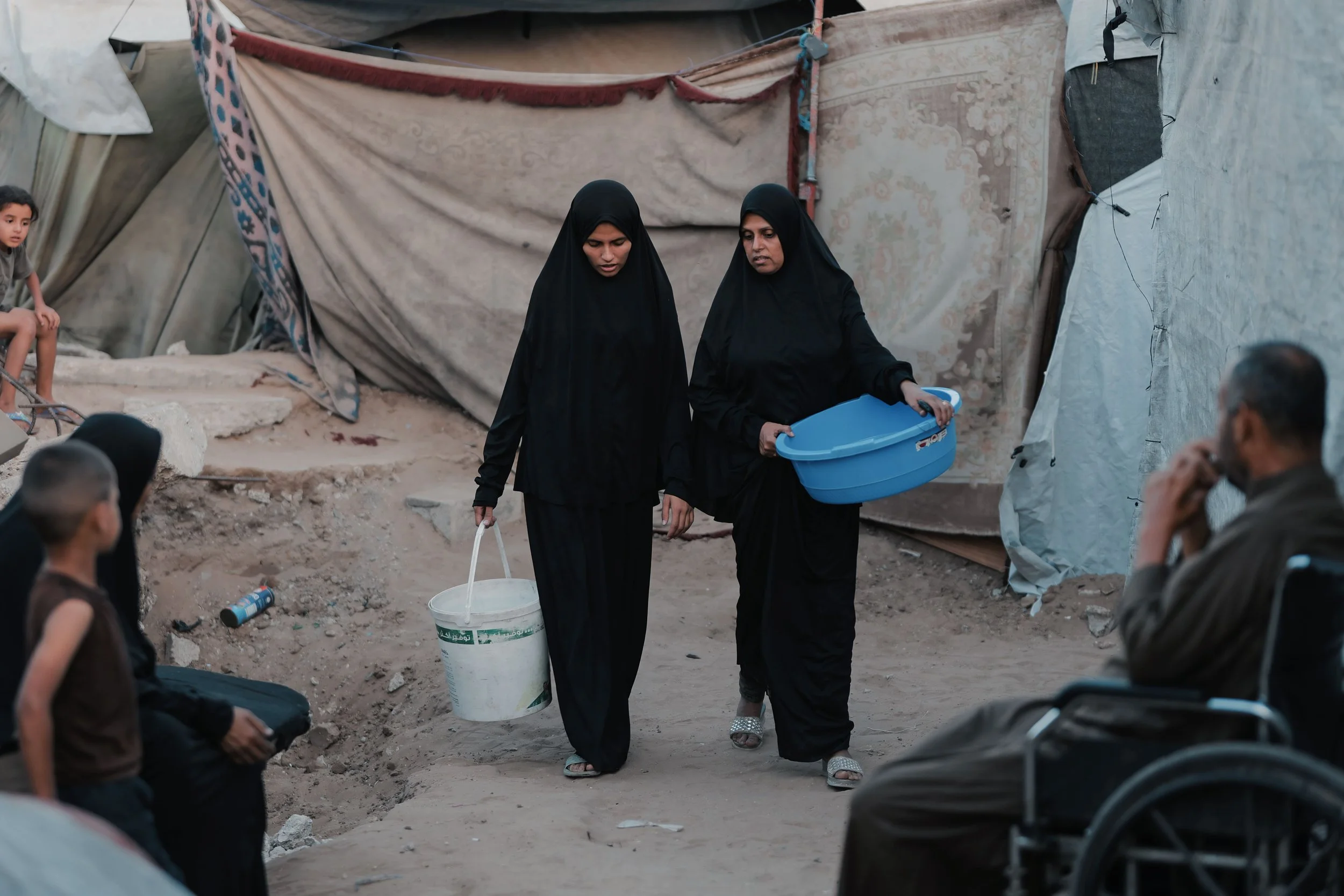
The Hidden Gender Cost of Ecocide in War
The climate crisis is a symptom of different systems of oppression that serve profit over people and nature, including capitalism, racism, patriarchy, colonialism, and militarism. These consider forms of life as objects to be owned, controlled, and consumed, and women, indigenous peoples, and poor communities are often exploited and disproportionately impacted. As the crisis continues to escalate, the international community has continued to fail to address these systems and their impact. Instead, many states have continued to finance military activity, causing significant climate and environmental destruction as well as insecurity and violence.
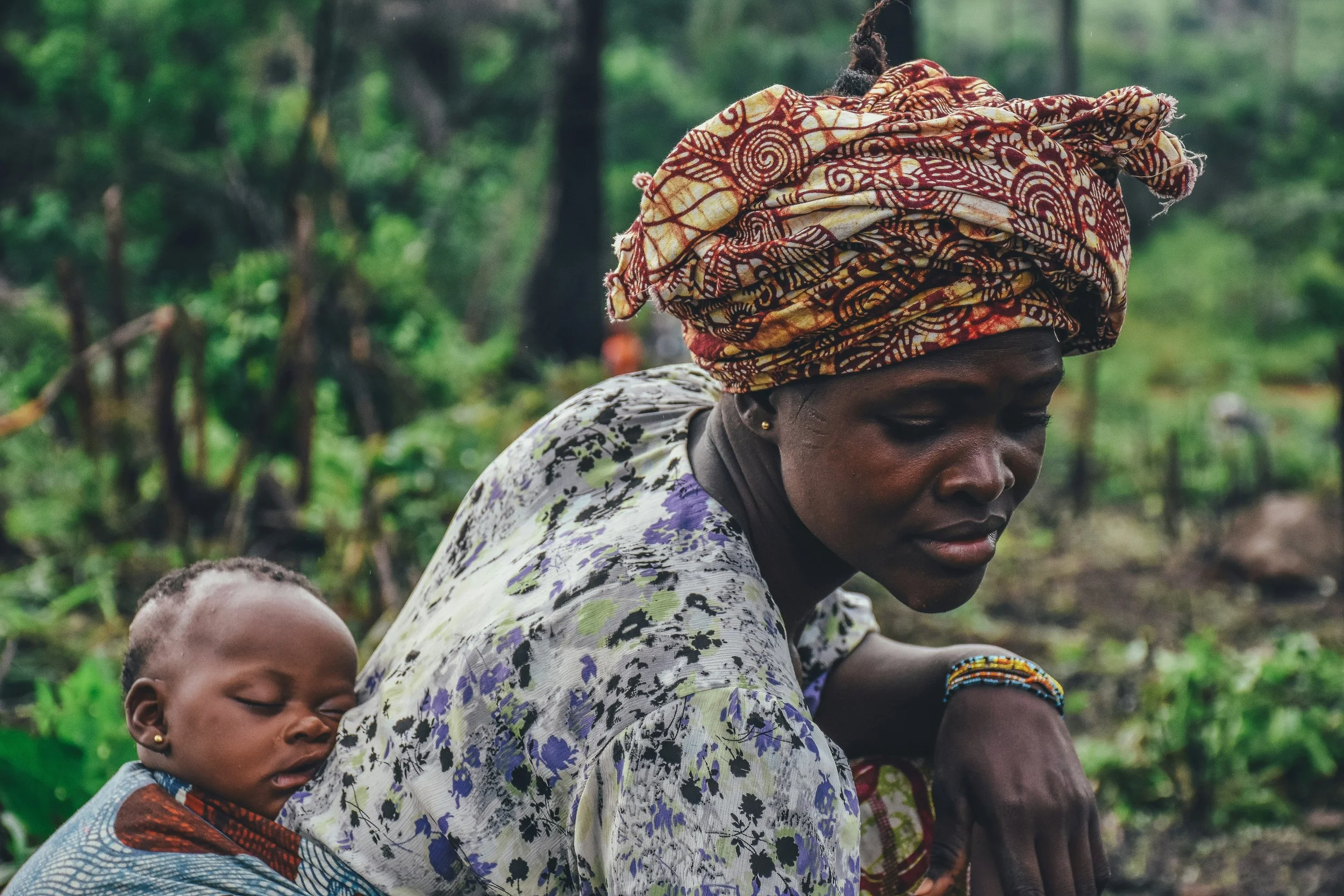
Women’s rights to access, use, and own land are inseparable from climate justice
Women have the right to enjoy, on an equal footing, all their land rights, including the right to access, use, inherit, control, and own property. To achieve full gender equality, states must fulfill their obligation to eliminate all forms of discrimination against women—including those related to land ownership—recommends the United Nations. Although 164 countries recognize this right for women, only 52 guarantee it in practice, as shown by a 2019 OECD study.
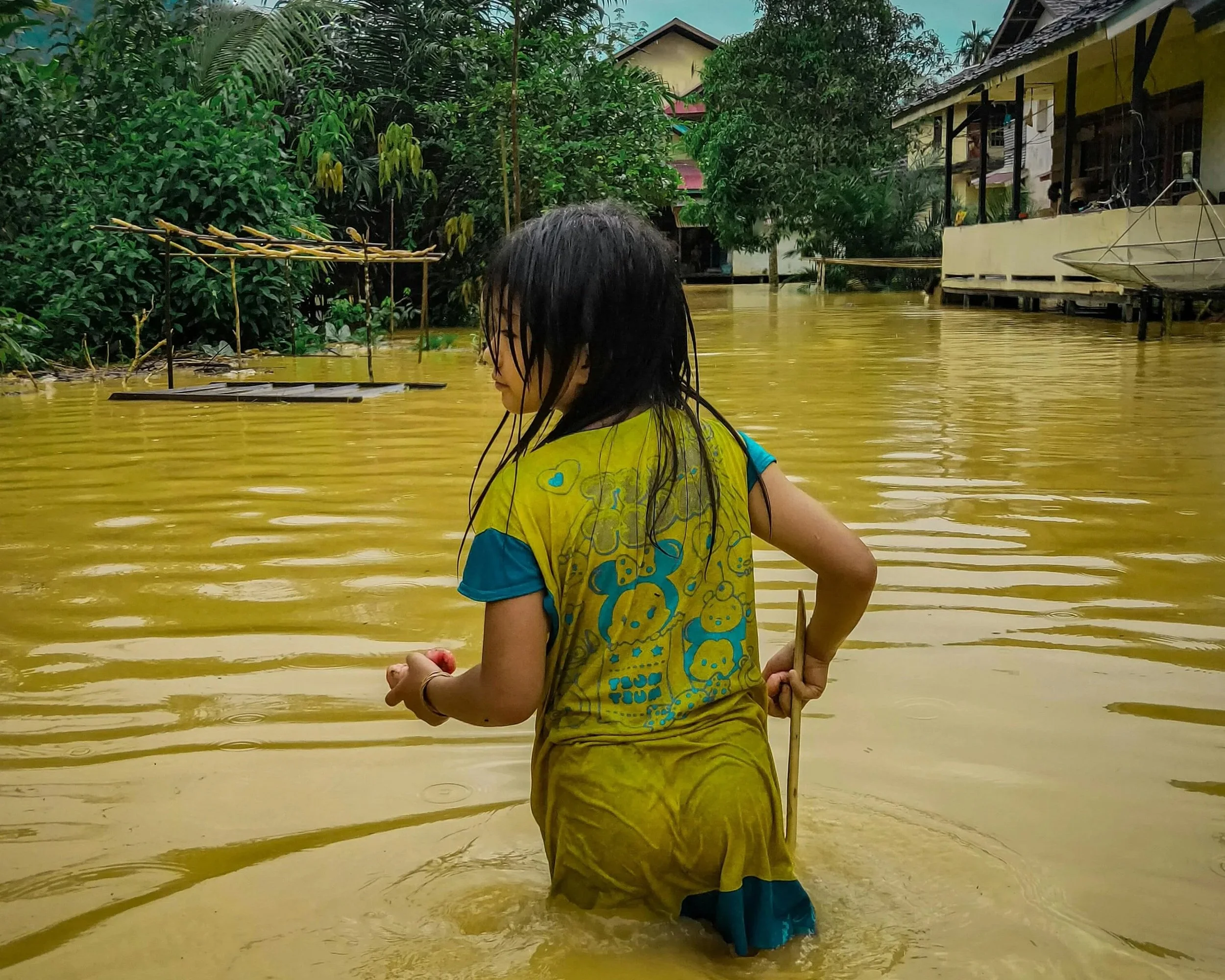
Island Women and the Climate Crisis: A Focus on Intersectionalities
Climate change affects different groups unequally, and women and girls are among the most vulnerable and exposed to immediate risks. In island nations—considered to be on the front lines because the impacts are already severe—they have been forced to develop their own adaptation strategies in the face of a daily life marked by climate-related disasters.
Gender in climate negotiations: history, disputes, and the Belém Plan
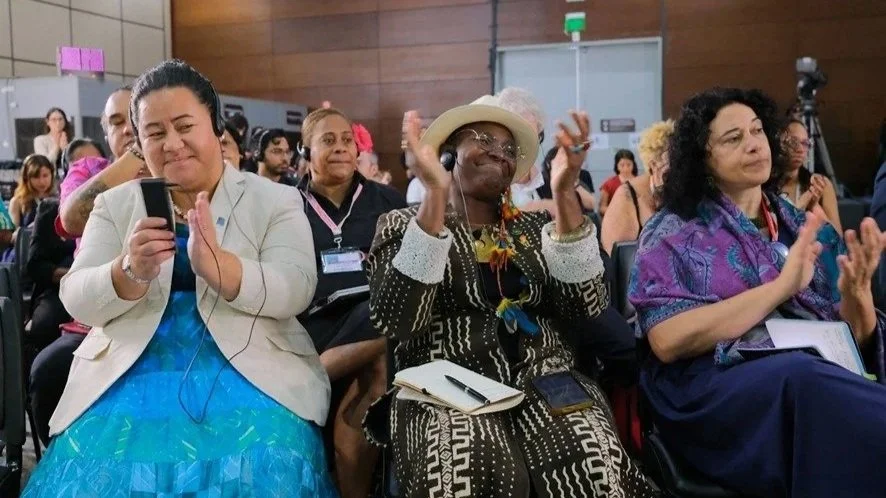
Between November 10 and 21, during COP30 in Belém, Brazil, a central disagreement over the definition of the term gender stalled negotiations on the new Gender Action Plan(GAP). More conservative countries, such as Iran, Russia, and Argentina, called for a version based on a binary biological gender, classified as male or female, without mention of social roles and structural inequalities between men and women. The term is seen as controversial due to its multiple interpretations, influenced by different traditions, religions, and gender identities, which ends up creating opposing camps that find it difficult to engage in dialogue without conflict. Gender ends up falling into the realm of concepts that many call politically charged.