Women’s rights to access, use, and own land are inseparable from climate justice
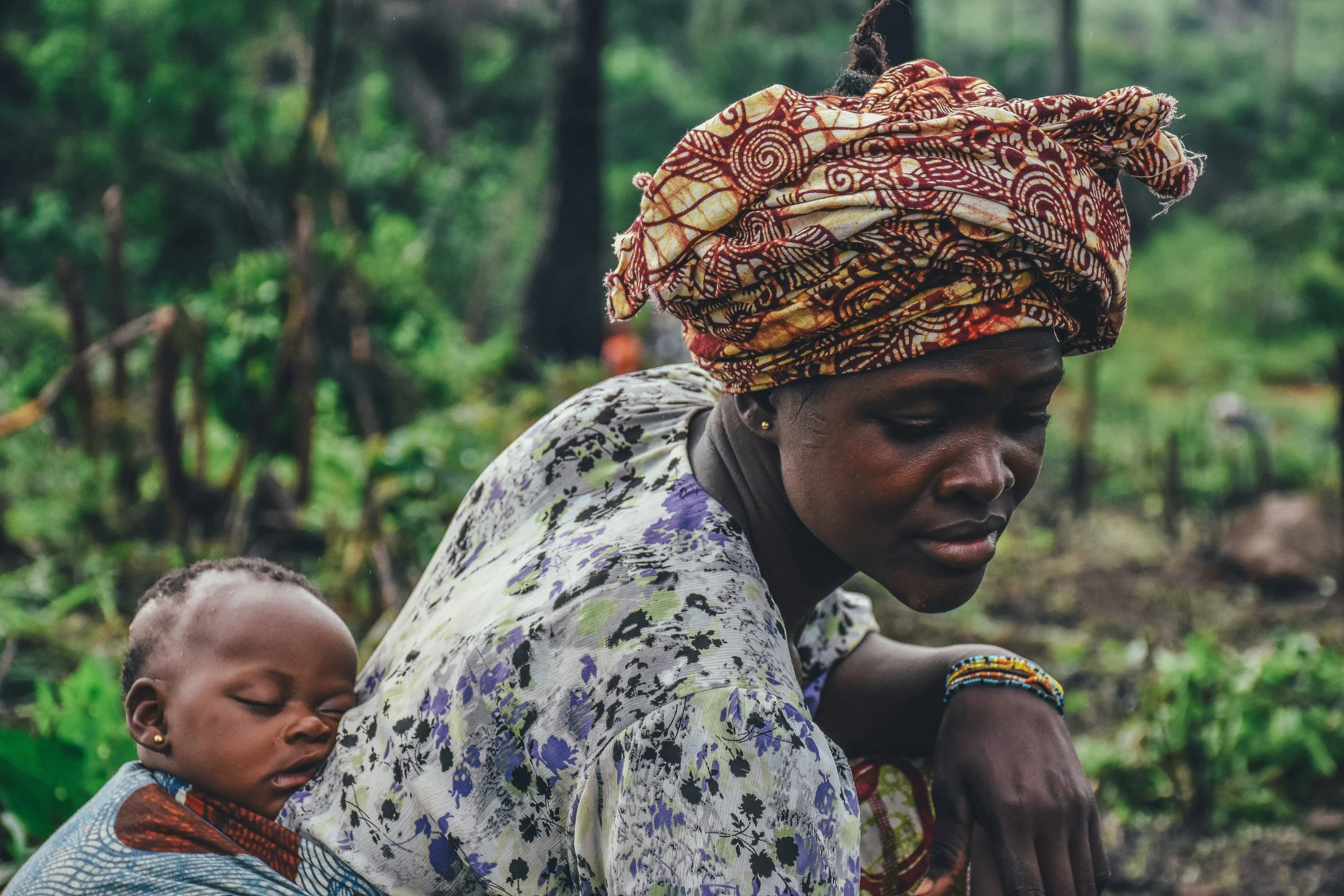
Gender inequality in rural areas disproportionately affects women, who still face barriers to accessing, using, and owning land.
Credits: Annie Spratt, Unsplash
Gender inequality in rural areas is reflected in land issues related to food production, particularly in countries of the Global South.
By Cândida Schaedler, Researcher at EmpoderaClima
Women have the right to enjoy, on an equal footing, all their land rights, including the right to access, use, inherit, control, and own property. To achieve full gender equality, states must fulfill their obligation to eliminate all forms of discrimination against women—including those related to land ownership—recommends the United Nations. Although 164 countries recognize this right for women, only 52 guarantee it in practice, as shown by a 2019 OECD study.
Therefore, gender inequality in rural areas is reflected in property rights: women own less than 15% of the land and less than 2% of properties in the Global South, according to a study by the Inter-American Institute for Cooperation on Agriculture (IICA). Currently, fewer than one in five landowners worldwide are women, even though they account for nearly 50% of the agricultural workforce and produce 80% of the food in countries of the Global South.
In Latin America and the Caribbean, the right to access and use land is built on an unjust system, still centered on men and patriarchy, reinforcing a mode of production that is also characterized by large-scale landownership and monoculture. An Oxfam report is incisive: the greater the concentration of land, the more systemic inequalities are created.
First, it is important to define some terms used in this article:
Access to land refers to the ability to use land for cultivation and food production. This can be guaranteed through government programs that allow family farmers, peasants, indigenous communities, and quilombola communities to have a place to live and farm, whether for subsistence or commercial purposes;
Land use refers to decisions regarding the purposes of that property. What will it be used for? How will it be cultivated and worked? What will be planted?; and
Land ownership refers to legally guaranteeing a woman’s right to own land and have it registered in her name, avoiding legal impasses when her partner or husband dies, for example, as well as preventing abuses of male power and the perpetuation of patriarchal systems.
Given this, when we talk about climate justice, how do women’s access to, use of, and ownership of land relate to environmental preservation? And how can we develop transformative gender policies on this issue that truly advance the creation of fairer and more equitable food systems?
Why is it important to talk about women’s access to, use of, and ownership of land?
In many regions of the world, cultural norms dictate male control over social and political spaces, including legal matters regarding land ownership and use, according to the Land Coalition. Predominantly male control over the land where food is grown also affects decision-making regarding these spaces, whether in subsistence-focused production or for commercial purposes.
In other words, the less women legally own land, the more financially vulnerable they become.
Guaranteeing women’s right to land is often linked to higher household incomes, including greater bargaining power within the community and at home, better child nutrition rates, and lower rates of gender-based violence.
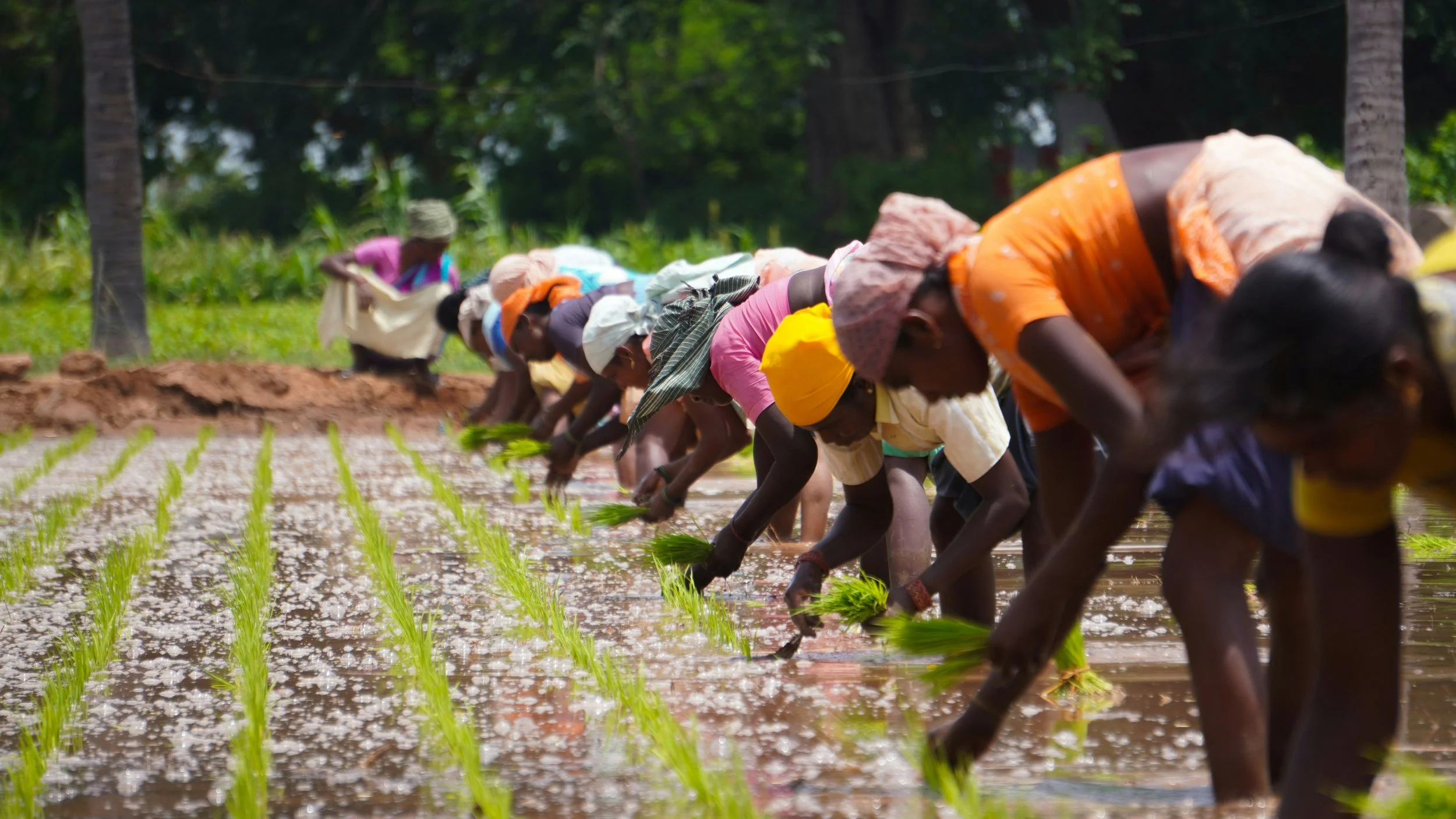
A study shows that, despite being responsible for the majority of food production, women own less than 15% of the land and less than 2% of the properties in the Global South.
Credits: Deepak Kumar, Unsplash
How can public policies reduce gender inequality in rural areas?
There are many different realities across Latin American and Caribbean countries. Each Latin American and Caribbean country is unique in terms of ecosystems, policies, and history. In a study, the FAO reveals that the proportion of women who own land in the region ranges from 7.8% in Guatemala to 30.8% in Peru.
According to a study published by IICA, gender inequality in access to, ownership of, and use of land is historical. Patriarchal norms persist in inheritance practices, traditional customs, and land policies in Latin America and the Caribbean. Effective public policy measures can help reduce this inequality.
For example, the IICA report shows that in Brazil, a regulation established in 2007 mandated the inclusion of both women and men in the registry for access to the National Agrarian Reform Program. As a result, the number of married women or those in stable relationships who owned land increased from 23% to 72% between 2003 and 2015, and from 13% to 24% in the case of households headed by single women. In Bolivia, public policies increased women’s access to land from 9% to 46% in 2014, according to the same study.
Although regional differences are evident, with public policies and grassroots programs, it is possible for women to have control over the land they use to plant and grow food, creating food systems that are fairer, more equitable, and truly sustainable.
Women’s rights go beyond land ownership and create more sustainable food systems
Women’s equitable rights regarding access to, use of, and ownership of land are enshrined in human rights instruments, such as the Universal Declaration of Human Rights. Furthermore, the Sustainable Development Goals (SDGs) recognize women’s land rights across three cross-cutting themes aligned with the 2030 Agenda: ending poverty (SDG 1), ending hunger (SDG 2), and gender equality (SDG 5).
In practice, for this guarantee to go beyond verbal agreements or shared aspirations regulated by global instruments, public policy recommendations point to the need to go beyond the recognition of land tenure. A UN document makes the following recommendations to States regarding the quality, legality, and effective implementation, participation, and enforceability of women’s land rights:
Quality means that the scope of land rights is clearly defined and includes all forms of tenure exercised by women and men, encompassing ownership, access, and use (e.g., right of use, lease, transfer, inheritance, rental, and occupation). Furthermore, rights must be granted for a clear and, ideally, extended period.
Legality and effective implementation imply that equal land rights must be legally recognized. That is, women’s land rights must be guaranteed by law.
Participation requires the inclusion of women in policy-making bodies regarding land tenure and use. That is, they must have the power to decide their present and future alongside the relevant authorities.
Enforceability requires that states ensure women are fully informed about their land rights and have access to justice to enforce these rights without discrimination.
By guaranteeing women’s rights to access, use, and ownership of land, space is created to deepen sustainable practices in rural areas, which helps achieve the goals of the Paris Agreement and promotes climate justice.
Since women are responsible for 80% of the food produced in countries of the Global South, it is important that they legally own their own land, creating better economic opportunities, combating hunger, and supporting efforts to curb the planet’s degradation and regeneration initiatives.
Women are responsible for maintaining many natural resources, working in harmony with nature and serving as guardians of biodiversity—which helps curb climate change, according to the FAO. They preserve forests and fishing grounds, and possess ancestral knowledge that is valuable to their communities and local ecosystems. Empowering women with more opportunities to acquire knowledge and autonomy will strengthen sustainable agricultural practices. In other words, fairer food systems inevitably depend on gender equality.