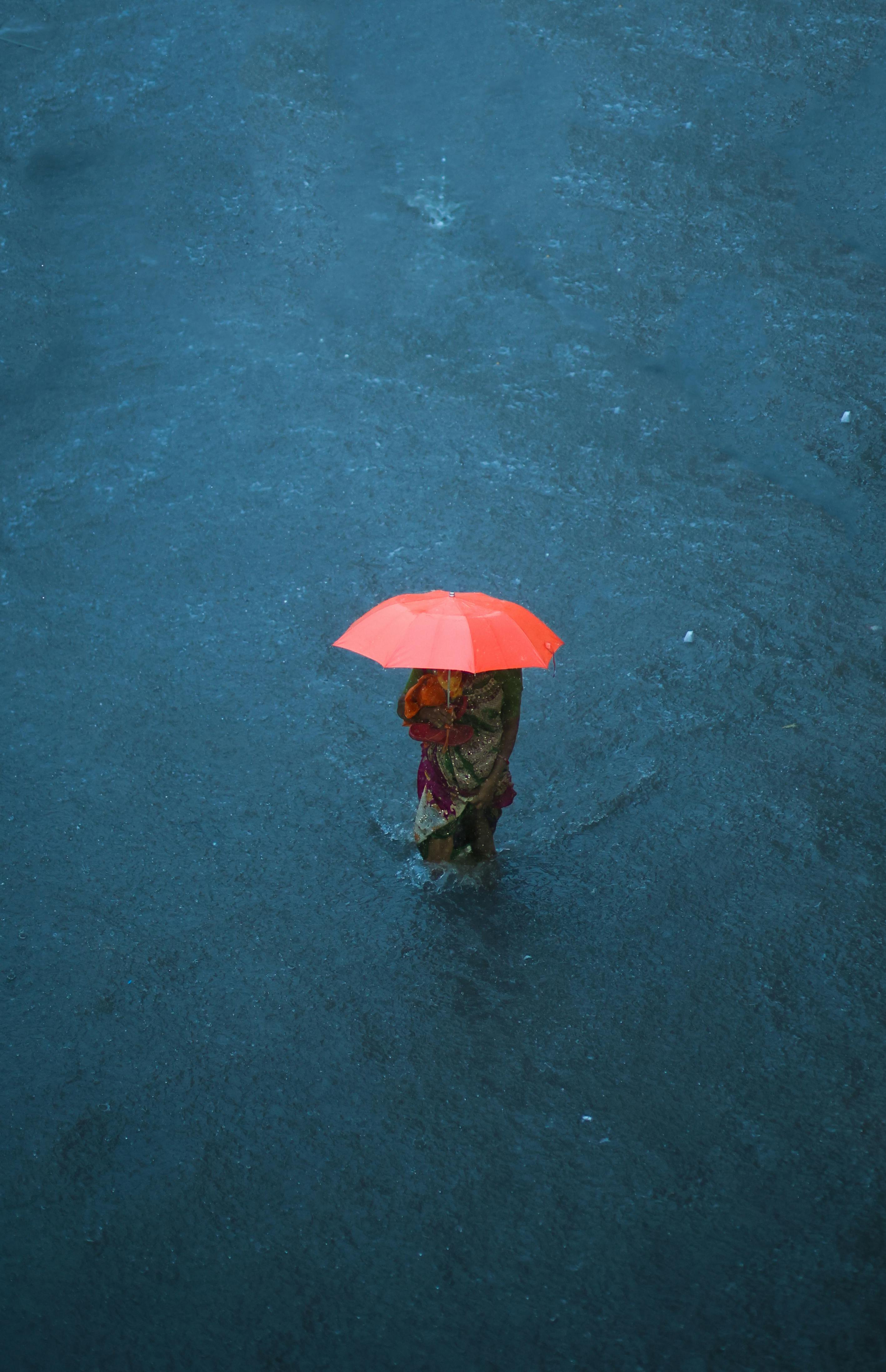
Island Women and the Climate Crisis: A Focus on Intersectionalities
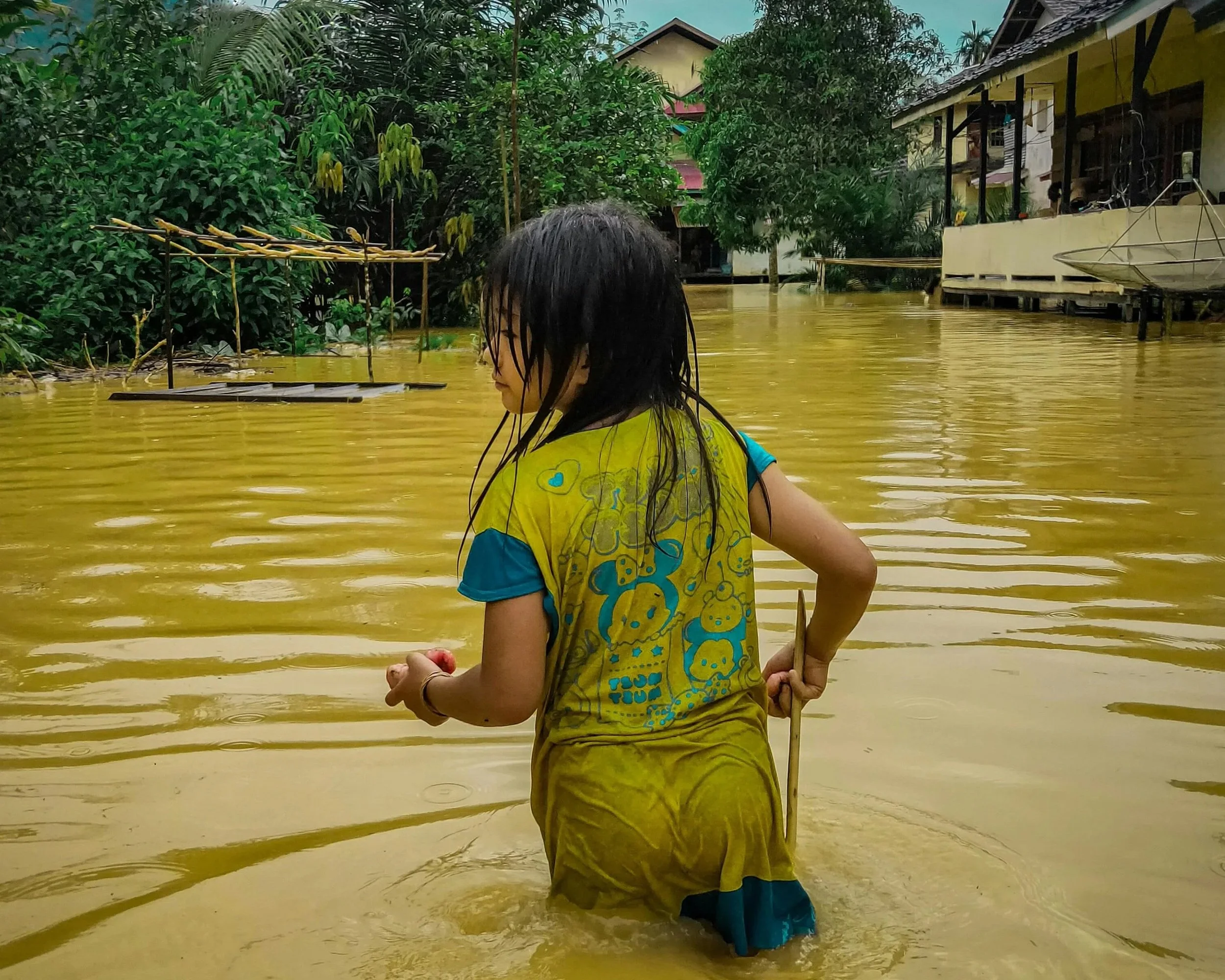
Source: Yohanes Deobi
By Taís Serra Montani, Senior Researcher at EmpoderaClima
Climate change affects different groups unequally, and women and girls are among the most vulnerable and exposed to immediate risks. In island nations—considered to be on the front lines because the impacts are already severe—they have been forced to develop their own adaptation strategies in the face of a daily life marked by climate-related disasters.
The Effects of the Climate Crisis on Island Nations
Island nations are the first territories to be permanently affected by the climate crisis. They are small territories found in every corner of the world, but concentrated mainly in Central America and the Pacific Ocean. These regions are the most prominent when it comes to the representation of islanders in international forums, as well as in coalitions such as the SIDS (Small Island Developing States).
Environmental disasters occur worldwide, but the short-term effect they have on islands is their total disappearance. As island lands are consumed by the constant rise in sea levels, part of the cultural identity of the people is also being erased, and the population is left homeless.
Rising sea levels, a direct effect of global warming, are unfortunately not the only consequence already visible in island regions. Water conditions directly influence economic fishing activity and the survival of coral reefs, which alone are responsible for the balance of the marine habitat for most species—including fish.
Much of the islands’ economy revolves around fishing and subsistence agriculture, with little economic diversification. In other words, their economies depend directly on the environment and climatic conditions—therefore, the imbalance of the ecosystem is intrinsically linked to the survival of the people who live there.
Since the economy, housing, culture, quality of life, and access to water, energy, and other basic rights are at risk, priority attention must be given to island nations that are already suffering, across all sectors of society, the effects of the climate crisis on the front lines. When all these challenges are combined with social intersectionalities, vulnerable groups in these regions urgently need solutions.
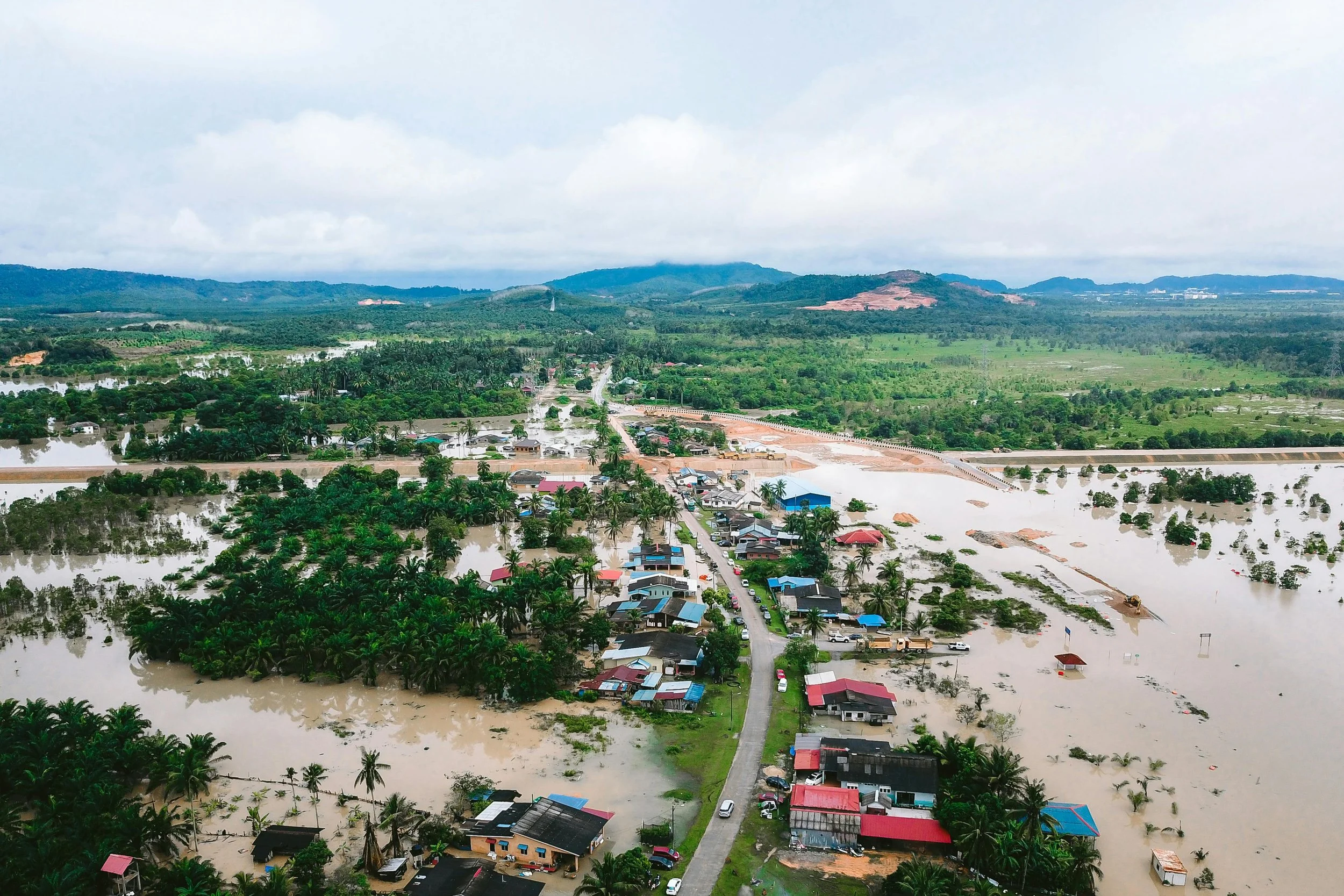
Credits: Pok Rie, Terengganu, Malaysia
Intersectionality is fundamental to recognizing how overlapping social identities—such as gender, race, and class—shape individual experiences of inequality. For women in island nations, this perspective is essential to address the exacerbated vulnerabilities they face due to climate change. Integrating intersectionality into the climate discourse means recognizing how systemic inequalities interact, amplifying marginalization, and ensuring inclusive solutions that reflect diverse realities.
And how does this affect women in these regions?
Because women are overrepresented in underemployment and the informal sector worldwide, large numbers of them live in high-risk regions, making them vulnerable to material damage and even health risks. There is a higher spread of disease, a greater risk of flooding and contact with contaminated water, as well as the consumption of seafood that is no longer of the same quality for consumption due to ocean conditions, among many other issues stemming from the climate crisis in these regions.
According to the FAO (Food and Agriculture Organization of the United Nations), globally, female-headed households face 8% higher income losses each year due to heat stress, compared to those headed by men. This difference represents a significant economic impact, totaling approximately US$37 billion annually. Another alarming figure is the approximately 3% reduction in income for female-headed households, representing an estimated annual loss of US$16 billion, when compared to male-headed households.
Women are particularly vulnerable to the psychological and social impacts of climate-related disasters, as they face material losses, safety risks, and additional caregiving responsibilities, often without adequate access to mental health support. This vulnerability is exacerbated in situations of homelessness, where gender inequalities intensify, increasing the risk of sexual violence in shelters, hindering mobility in unsafe areas, and widening barriers to healthcare—making recovery even more challenging for them.
In these contexts, and given the need to adapt to constantly changing realities as living space shrinks, it is essential to consider women’s economic vulnerabilities. Often single mothers, given the levels of underemployment and housing conditions, they face greater difficulty moving forward after disasters strike their regions. Resilience, however much it may be rooted in the mind, depends on socioeconomic factors to become a reality for people. Resilience and adaptation exist only when opportunities are viable.
The Forum on Gender Equality organized by UN Women in the Caribbean reinforced the concerns of SIDS regarding the unequal impacts of the climate crisis on women and girls. Representatives from these countries highlighted that, in addition to being more vulnerable to the effects of natural disasters, women face structural barriers that limit their access to resources, education, and political participation. The event served as a platform to discuss inclusive solutions, such as gender-sensitive climate finance, strengthening women’s leadership, and integrating gender equity into climate adaptation and mitigation policies.
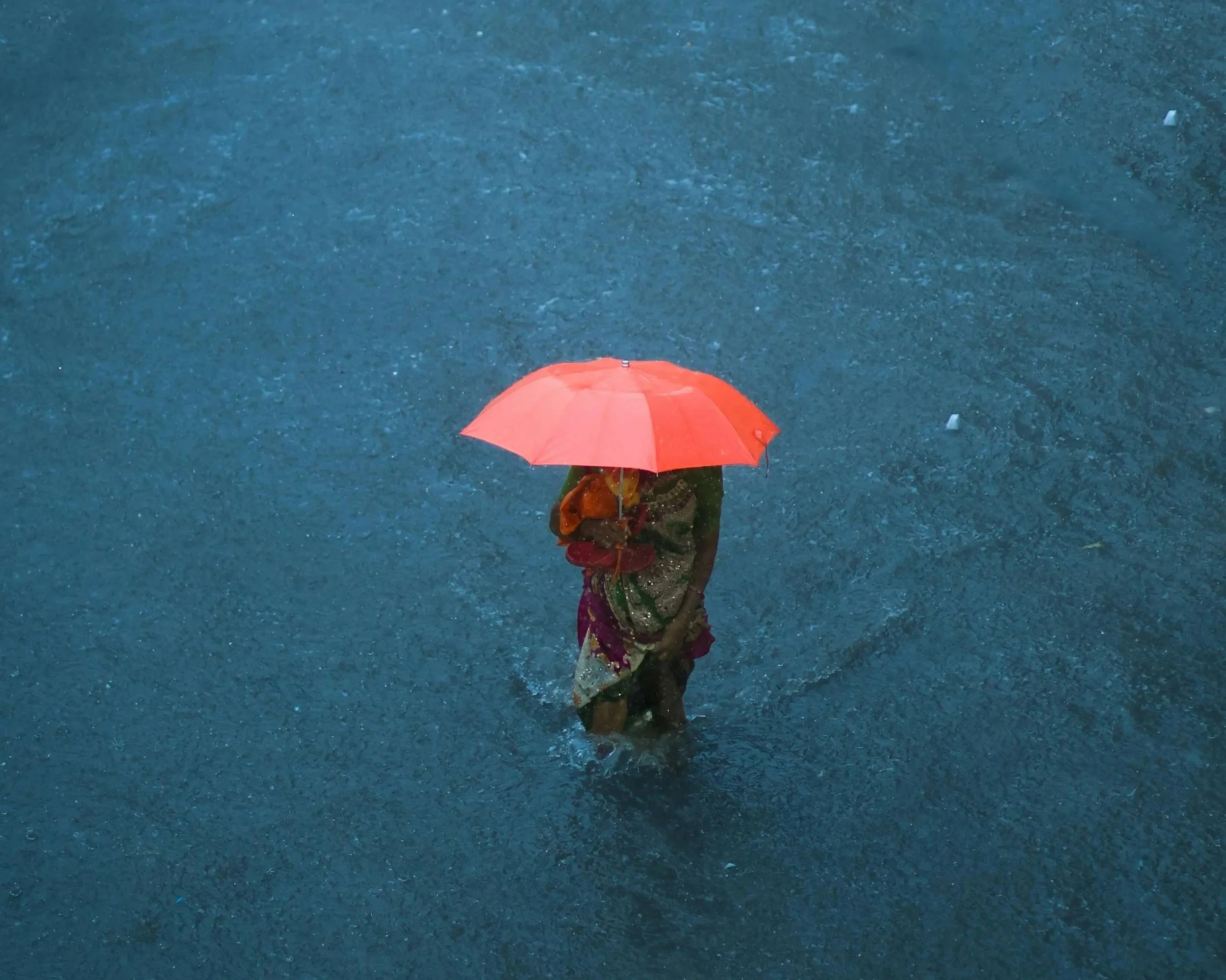
Credits: Aamir Dukanwala
The Importance of Financial Resources in Combating the Crisis
Island nations have a much smaller budget to address all necessary infrastructure sectors and intersecting issues, especially when rebuilding their territories is a daily challenge. In this sense, climate finance is of utmost importance so that these countries, which have contributed less than 1% to global emissions, can rebuild every time they are struck by climate disasters.
Rebuilding is more costly than prevention. For every dollar spent on mitigation and adaptation policies, seven dollars are saved in potential economic losses and the reconstruction of affected areas. This consideration is purely financial; socially, it is essential to ensure the safety of the population and the stability of their quality of life.
It is no surprise that countries in the Global South have faced constant disappointment due to unfulfilled promises from countries in the Global North regarding funding that could save lives and support the cultural and territorial preservation of these regions. The prime example of unfulfilled promises lies in the agreement to invest $100 billion annually so that developing nations can address the impacts of the climate crisis. This amount was agreed upon in the Paris Agreement in 2015 but has yet to be implemented at the international level—the creation of the Loss and Damage Fund, established in 2022, is the opportunity the Global North has to review its commitments to the Global South. During COP 30, European Union countries and development banks announced investment intentions, but the amounts are still far below the estimated annual need of $724 billion to support loss and damage in developing countries.
Financing is also crucial for expanding renewable energy in SIDS, which rely on imported diesel and face high costs and electrical instability. In the context of clean energy advancement on the islands, women play a crucial role because they have long held a central responsibility for household energy security and family care. This strategic position makes them key agents for sustainable and resilient solutions. However, their full participation is still limited by a lack of representation in decision-making spaces and the heightened difficulties in accessing financing to act or undertake initiatives in the renewable energy sector—compromising the efficiency of the energy transition in these regions, which would significantly benefit communities.
The Union of Island Nations on the International Stage
Due to a lack of representation and attention to their needs, coalitions were formed to help island nations draw greater attention at conferences such as the UNFCCC COPs (Conferences of Parties) and to pressure countries in the Global North to make significant contributions. Thus, the SIDS and AOSIS (Alliance of Small Island States) were created, among other groups. The highlight of these coalitions’ work is bringing greater focus and policies to international forums, since they outnumber developed countries.
Representation in negotiation spaces is not merely about the right to equal participation, but also a strategic way to maximize resources, allocate them optimally, and address the real needs of communities already facing the extreme consequences of climate change.
The intersectionalities of the climate crisis are directly linked to the front lines. The losses and damages suffered by these communities—specifically by women—are significant. The challenges they face in cases of homelessness and flooding are countless. Their demands urgently require resources and form part of an exhaustive list. And the time to act is now.
The words of a young activist from Papua New Guinea drew attention at COP26: “Remove the deadlines. My people are the solution. This is our land and we have the connections. Let’s work together and let our story be told. Trust us to lead our solutions locally and act now.”