

Articles
Search By Topic
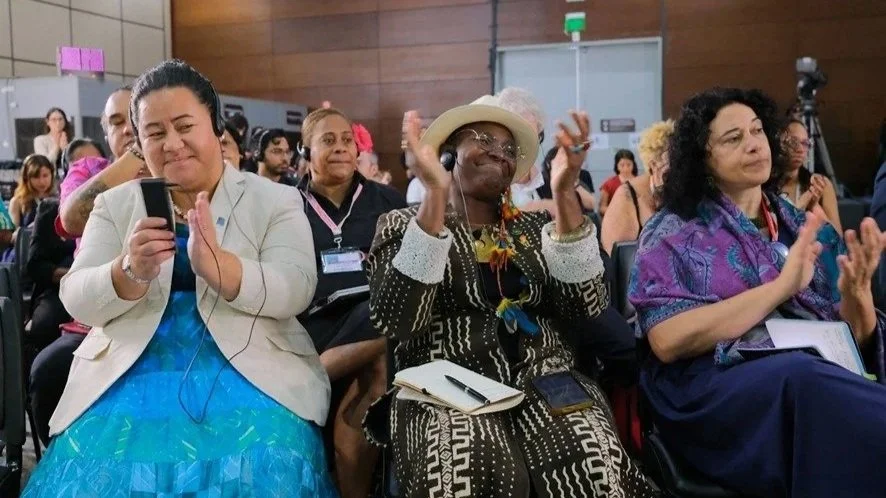
Gender in climate negotiations: history, disputes, and the Belém Plan
Between November 10 and 21, during COP30 in Belém, Brazil, a central disagreement over the definition of the term gender stalled negotiations on the new Gender Action Plan(GAP). More conservative countries, such as Iran, Russia, and Argentina, called for a version based on a binary biological gender, classified as male or female, without mention of social roles and structural inequalities between men and women. The term is seen as controversial due to its multiple interpretations, influenced by different traditions, religions, and gender identities, which ends up creating opposing camps that find it difficult to engage in dialogue without conflict. Gender ends up falling into the realm of concepts that many call politically charged.

Shedding light on gender and female empowerment within current NDCs revisions at COP30
During COP21, 195 parties signed the Paris Agreement intending to hold off “the increase in the global average temperature to well below 2°C above pre-industrial levels”. To pursue this, they introduced Nationally Determined Contributions (NDCs), where all parties to the Convention must create climate action plans that include mitigation and adaptation efforts, involve multiple actors and sectors of the economy, and offer unique opportunities to integrate gender. NDCs function as a country’s main mechanism for national climate policies and planning within the country’s own budget, so they must include, shape, and account for those most impacted.

Gender in the SB62 Climate Negotiations: The Hope for an Ecofeminist COP30
From June 16 to 26, 2025, the city of Bonn (Germany) hosted the 62nd Subsidiary Body Session of the UNFCCC (SB62), a crucial technical stage of climate negotiations that precedes the Conference of the Parties (COP) every year. In this space, civil society plays an essential role in pressuring authorities to deliver fairer, more ambitious, and more inclusive climate proposals ahead of COP30, which will take place in Belém, Brazil, in November of this year.