

Articles
Search By Topic
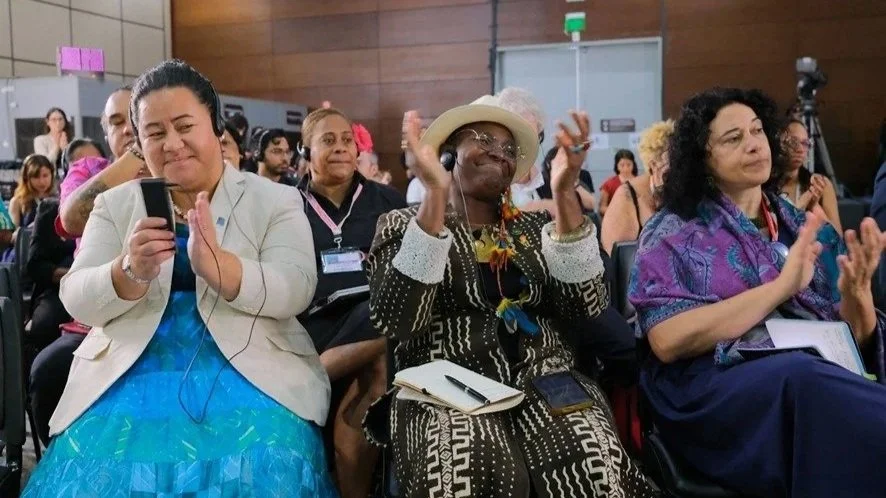
Gender in climate negotiations: history, disputes, and the Belém Plan
Between November 10 and 21, during COP30 in Belém, Brazil, a central disagreement over the definition of the term gender stalled negotiations on the new Gender Action Plan(GAP). More conservative countries, such as Iran, Russia, and Argentina, called for a version based on a binary biological gender, classified as male or female, without mention of social roles and structural inequalities between men and women. The term is seen as controversial due to its multiple interpretations, influenced by different traditions, religions, and gender identities, which ends up creating opposing camps that find it difficult to engage in dialogue without conflict. Gender ends up falling into the realm of concepts that many call politically charged.

Women, Peace and Security... And Climate Change
When discussing the relation between the “Women, Peace and Security” (WPS) agenda and climate change, we must keep two premises in mind: first, climate change and security are gendered issues, and second, climate change is a security risk multiplier that should be considered a security issue as well. This article explores the inclusion of threats caused by a changing global climate within the United Nations Security Council (UNSC) WPS framework and what that could mean for the future of climate and gender security.

Gender Equality and Climate Action
Climate justice represents a human approach to the climate change issue, taking into account the most vulnerable groups to the impacts of environmental disasters - who, at the same time, are the least responsible for their causes.