

Articles
Search By Topic

Shedding light on gender and female empowerment within current NDCs revisions at COP30
During COP21, 195 parties signed the Paris Agreement intending to hold off “the increase in the global average temperature to well below 2°C above pre-industrial levels”. To pursue this, they introduced Nationally Determined Contributions (NDCs), where all parties to the Convention must create climate action plans that include mitigation and adaptation efforts, involve multiple actors and sectors of the economy, and offer unique opportunities to integrate gender. NDCs function as a country’s main mechanism for national climate policies and planning within the country’s own budget, so they must include, shape, and account for those most impacted.
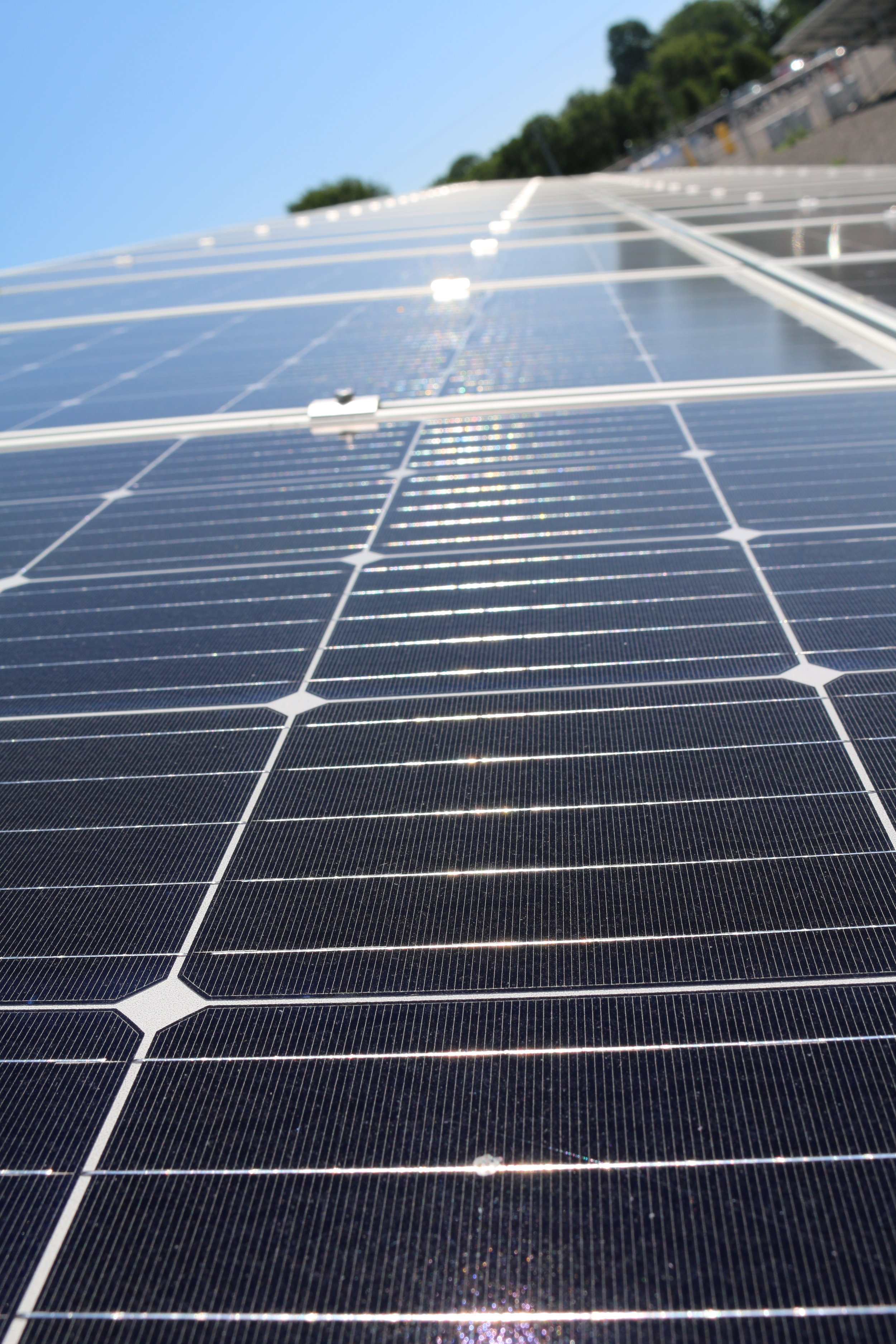
Women In Energy for Climate Justice
The global drive to provide universal access to sustainable energy by 2030 (Sustainable Development Goal 7) is creating numerous opportunities for energy users and suppliers. However, men and women do not benefit equally from these opportunities; energy supply interventions have traditionally been gender blind.

Gender-just Climate Policy: Women and Nationally Determined Contributions (NDCs)
As part of the 2015 Paris Agreement, the Parties agreed to a long-term goal for adaptation and resilience, with Nationally Determined Contributions (NDC’s) at the heart of these efforts.